Specialty Orthodontics
73 Walkerville Terrace
Walkerville, SA 5081
BOOK AN APPOINTMENT73 Walkerville Terrace
Walkerville, SA 5081

If you’re an older teen or adult, chances are you’ve heard that your wisdom teeth could push your teeth out of alignment and cause crowding. It’s one of the most common orthodontic myths, but the truth isn’t quite so simple.
While these third molars typically appear in your late teens or early twenties, research shows they rarely have enough force to shift the rest of your teeth. Most cases of crowding are caused by natural changes in jaw and tooth alignment over time, not by the arrival of new teeth. That means extraction purely to prevent crowding isn’t usually necessary.
Of course, there are situations where these teeth can cause problems. If they are impacted, partially erupted, or contributing to gum inflammation or decay, removal may be recommended. But for most healthy molars, regular monitoring is enough. Your orthodontist can help assess whether they’re likely to affect your bite or any ongoing orthodontic treatment.
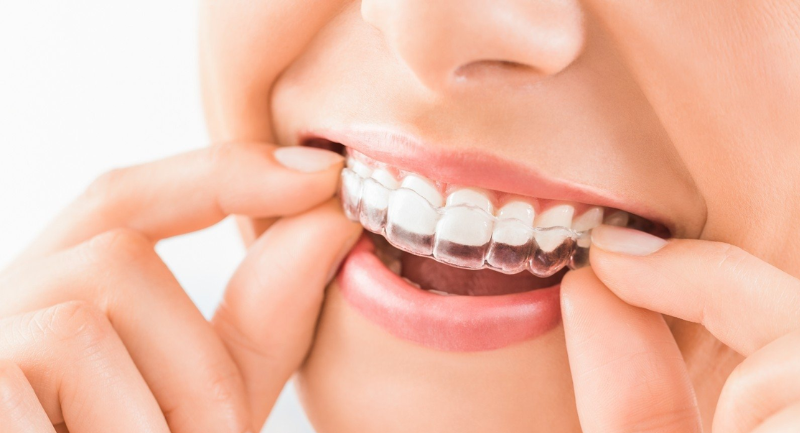
At Specialty Orthodontics, Dr Sarah Dan often sees patients concerned about how new molars will impact alignment. Her advice? Focus on maintaining good oral health and following a personalised orthodontic plan rather than assuming extraction is the only solution. Straightening your teeth with braces or Invisalign® before or after these molars appear can help ensure a long-lasting, healthy smile.
Wisdom teeth don’t always need to be removed, and they rarely cause the dramatic crowding many people fear. By staying informed and consulting with a qualified orthodontist, you can make the best choice for your teeth without unnecessary procedures.
If you’re unsure whether your third molars are likely to affect your smile, book a consultation with Dr Sarah Dan at Specialty Orthodontics. She’ll provide personalised guidance to protect both your alignment and your long-term dental health.
BOOK A CONSULTATION